When most people think of dental tourism, they think of Turkey, Hungary or Thailand. Albania rarely comes up in that conversation — which is precisely why it remains such good value for patients who discover it.
Albania has been offering high-quality dental treatment to international patients for over a decade. It just hasn’t had the marketing budgets of its competitors. That is changing. And the patients booking now are the ones doing so at the most favourable moment.
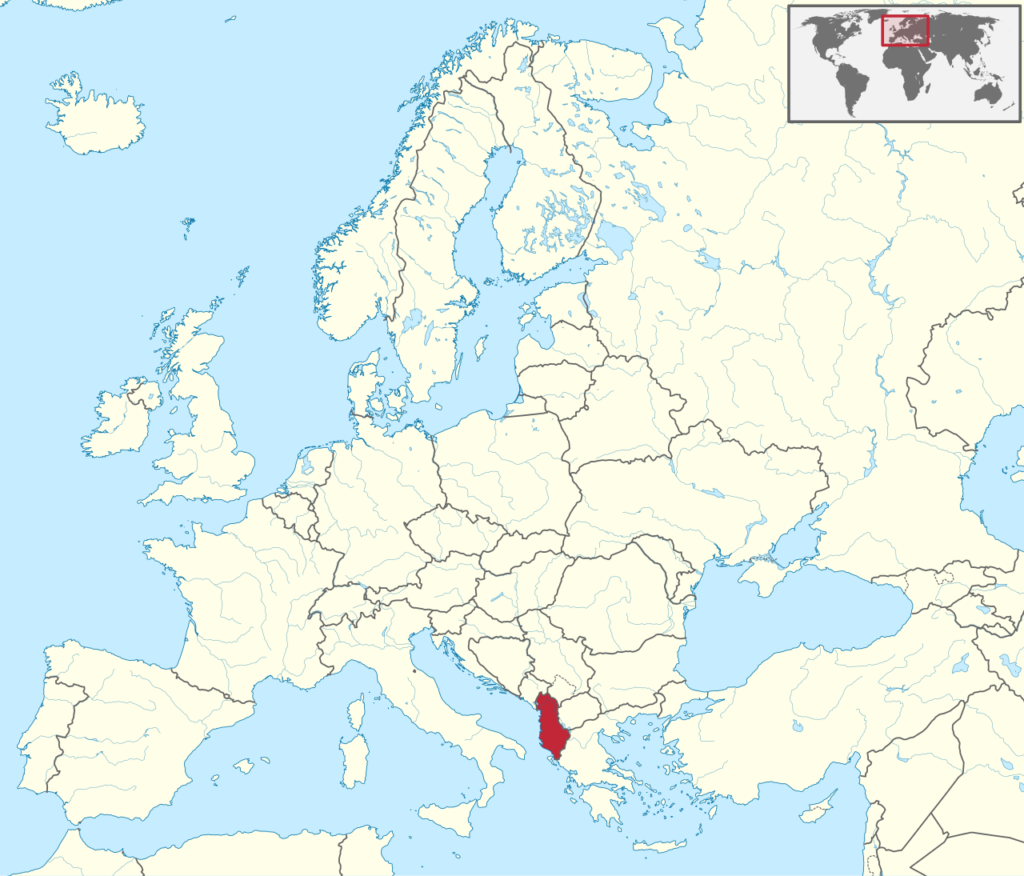
Location: The Argument No Competitor Can Match
Albania’s single greatest advantage over every other dental tourism destination is where it sits on the map.
Tirana is under 2 hours from London, Milan, Berlin, Paris and Zurich. It is the closest affordable dental destination to Western Europe by a significant margin. Turkey is 3–4 hours. Hungary is 2–3 hours and significantly more expensive.
For Italian patients in particular, Albania is extraordinarily convenient — 40 minutes from Bari by ferry, or a short direct flight. For a treatment that typically requires two visits, that difference in travel time compounds.
Quality Without Compromise
The premium dental clinics in Tirana operate to the same standards as their Western European counterparts. ISO certification, EU sterilisation protocols, CE-marked medical devices.
More importantly, they use the same materials. Straumann and Nobel Biocare implants are available in Tirana at prices comparable to Turkey, but with significantly shorter travel times and a markedly more straightforward logistics situation.
The surgeons at leading Tirana clinics trained at European institutions and hold memberships with internationally recognised bodies. The quality of care is not a concession — it is the point.
Price
Albania is one of the most affordable countries in Europe by cost of living. That translates directly into clinic overheads — and therefore into patient prices.
A single implant in Tirana costs from €750. All-on-4 from €3,990 per arch. Emax veneers from €280 per tooth. These prices are consistently 60–70% below Western European equivalents for identical materials and clinical standards.
The trip itself is also inexpensive. Hotels, food and transport in Tirana cost a fraction of comparable Western European cities. A week in Tirana for dental treatment will cost less than a long weekend in Budapest.
The City Itself
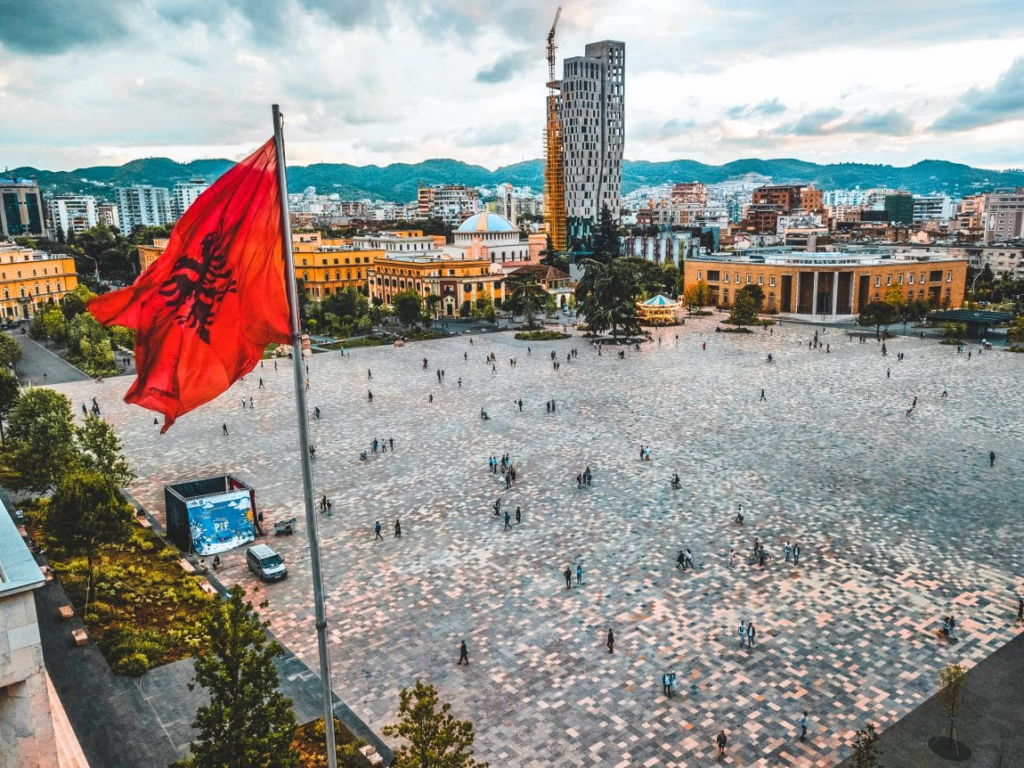
Tirana surprises almost everyone who visits. The city has transformed dramatically since the 1990s and continues to develop rapidly. Architecture ranges from Ottoman heritage to bold contemporary design. The restaurant scene is excellent — Albanian cuisine is largely undiscovered by international food writing, which means the quality-to-price ratio is remarkable.
The people are exceptionally hospitable. Most dental patients who visit Tirana leave having genuinely enjoyed the experience more than they expected — many return for follow-up treatment having already planned what they’ll do with the extra days.
Getting There
Flight connections to Tirana have expanded significantly in recent years. Ryanair, Wizz Air, British Airways, Air France, Lufthansa and others now operate direct routes from across Europe. Check Google Flights for your city — the number of direct options from major European hubs has grown substantially.
The Right Moment to Book
Albania’s pricing advantage is a function of its cost of living and its current profile in the dental tourism market. As the destination becomes better known, the pricing advantage it currently offers may narrow. The patients choosing Albania now are doing so at a particularly favourable intersection of cost, quality and convenience.
Frequently Asked Questions
Is Albania safe to visit?
Yes. Albania ranks as one of the safer countries in the Balkans for international visitors. Tirana in particular is a modern, well-developed capital city with a welcoming attitude towards tourists. The British Foreign Office and equivalent bodies from other countries consistently rate Albania as safe for travel.
Do Albanian dentists speak English?
At the reputable dental clinics in Tirana that cater to international patients, yes — fluently. Most surgeons and coordinators at these clinics trained or studied abroad and conduct consultations in English, Italian, German and other European languages without difficulty.
What currency does Albania use?
Albania uses the Albanian Lek (ALL). Euros are widely accepted at clinics, hotels and restaurants catering to international visitors, and currency exchange is straightforward. Most clinics quote and accept payment in Euros.
How does Albania compare to Turkey or Hungary for dental tourism?
Albania is closer to Western Europe than Turkey (under 2 hours vs 3–4 hours), and significantly cheaper than Hungary for equivalent treatment. Quality at the leading clinics is comparable across all three. The main advantage Albania has is the combination of proximity, cost and a less crowded market — you are not one of thousands of dental tourists passing through a production-line clinic.
How many trips will I need to make?
For most implant or full arch treatments, two trips are standard. The first (typically 5–7 days) covers the surgical phase. The second (2–3 days, 4–6 months later) covers the final prosthetic fitting. For simpler treatments like veneers or crowns, a single trip is often sufficient.
Learn more:
- Dental Implants Abroad — Alba Med Health: https://www.albamedhealth.com/dental-implants-abroad/
- All-on-4 Abroad: https://www.albamedhealth.com/all-on-4-abroad/
- Dental Tourism Scams: 10 Red Flags to Avoid: https://www.albamedhealth.com/blog/dental-tourism-scams-red-flags/