What Happens If Something Goes Wrong
With Dental Work Abroad?
The fear is real — but so are the answers. Here’s exactly what top clinics cover, what you need in writing, and what your options are if something does go wrong.
This is the question nobody wants to ask but everyone is thinking. You get your implants in Tirana, fly home to Atlanta — and three months later something doesn’t feel right. What now?
It’s a legitimate concern, and it deserves a straight answer — not reassurance, but a practical breakdown of how complications are actually handled in dental tourism, and specifically what reputable Albanian clinics do.
First: How Common Are Complications?
Dental implant complications fall into two categories: minor issues that resolve on their own, and genuine failures that require intervention.
| Issue | Frequency | Timing | Outcome |
|---|---|---|---|
| Swelling, bruising, mild pain | Very common (60–80%) | First 1–5 days | Normal healing; resolves without treatment |
| Minor infection | ~3–5% | First 2 weeks | Antibiotics; usually resolves completely |
| Implant mobility (early failure) | ~3–5% | First 3 months | Implant removed, site healed, re-placed |
| Late implant failure | <2% | After osseointegration | Rare; usually linked to bone disease or trauma |
| Prosthesis adjustment needed | ~10–15% | After final fitting | Minor adjustment; usually fixable remotely or locally |
What Top Albanian Clinics Guarantee in Writing
Before you book anything, ask for these guarantees in your written treatment plan:
🔁 Implant replacement guarantee
Any Nobel Biocare or Straumann implant that fails to integrate (osseointegrate) within the standard healing window is replaced at no charge. This is the industry standard at reputable clinics worldwide.
🎯 Prosthesis adjustment policy
Bite adjustments, minor cracks, and fit issues on the temporary or final bridge are covered during a return visit. Most clinics cover adjustments for 1–2 years post-placement.
📞 Remote aftercare access
Direct contact with the treating surgeon via WhatsApp or email for 12 months. You can send photos, X-rays from a local dentist, and get a clinical opinion without flying back.
📄 English treatment records
Full treatment documentation in English — implant brand, size, position, torque values, materials used — so any dentist in the US can continue your care.
The Three Scenarios — and What Happens in Each
Scenario 1: Something feels off in the first 2 weeks
Contact your clinic immediately via the direct line they give you. Send photos and describe symptoms. In most cases this is normal post-surgical healing, and the surgeon will advise you remotely. If antibiotics are needed, any US doctor can prescribe them based on the clinic’s recommendation. You don’t need to fly back.
Scenario 2: An implant fails to integrate (3–6 months)
This is the “worst common case” — an implant that doesn’t fuse with bone. It happens in roughly 3–5% of placements globally, at any clinic in any country. Your clinic removes the failed implant (this can be done by an oral surgeon near you), the site heals for 8–12 weeks, and you return to Tirana for re-placement at no charge for the implant itself.
Scenario 3: A prosthesis needs adjustment or repair
Temporary acrylic bridges can crack. Final zirconia bridges occasionally need bite adjustments. A local dental lab in the US can fabricate a replacement temporary if needed, using the records from your Tirana clinic. For the final zirconia, most clinics will work with you on a return visit at minimal cost, or provide digital files so a US lab can mill a replacement.
What You Should Organize Before You Fly Home
- Full treatment records in English — implant brand, model numbers, placement positions, torque values, X-rays
- Direct contact details for your surgeon (not just a reception email)
- Written guarantee for implant replacement policy
- Aftercare instructions for the first 2 weeks
- Name of a local dentist or oral surgeon who can check your healing at the 1-month mark
A good clinic will hand all of this to you without being asked. If you have to chase it, that’s a signal about how they operate.
One More Thing: US Dentists Can Manage Your Follow-Up
American dentists are trained on Nobel Biocare and Straumann systems — the same brands used at top Albanian clinics. Your local dentist can take X-rays, assess integration progress, and communicate with your Tirana surgeon. You’re not flying blind at home. The implant system is the same; only the price of placement was different.
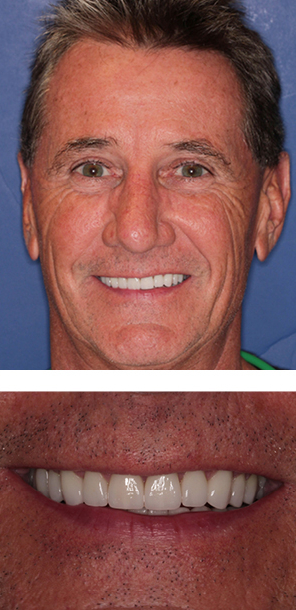
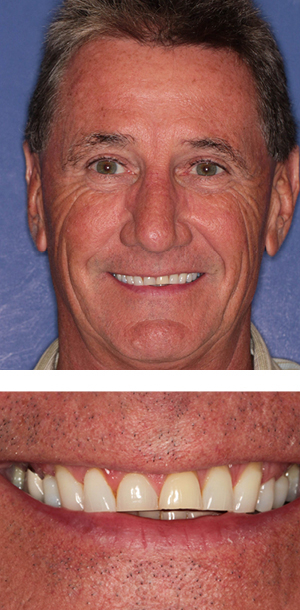
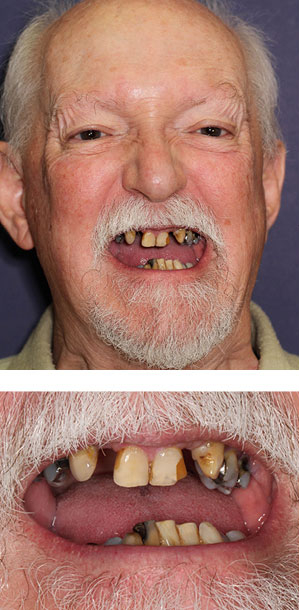
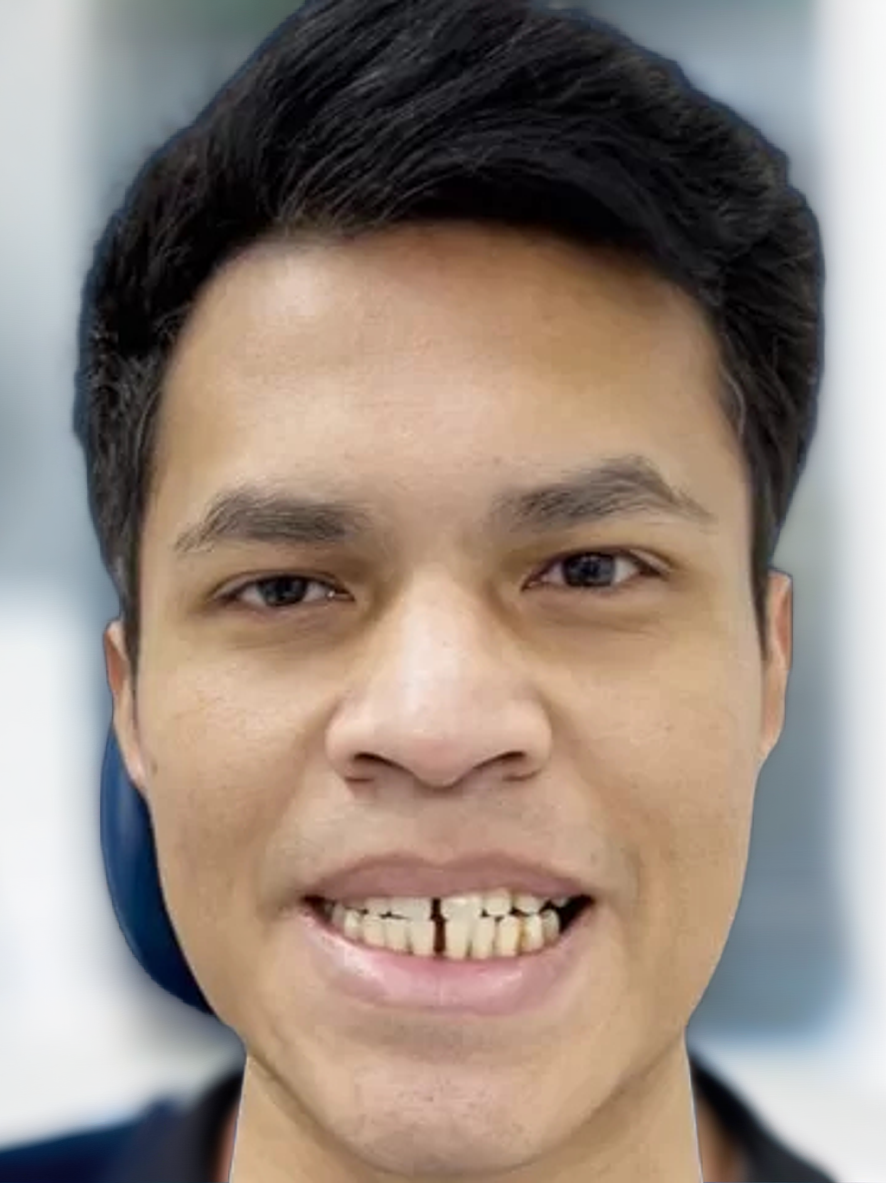
Real Results — Patients Who Asked the Same Question
Tirana: The City You’ll Recover In

The Bottom Line
Things can go wrong with dental implants anywhere in the world — including at your dentist in Chicago. The difference between a manageable complication and a disaster is the quality of the clinic, the guarantee they put in writing, and how well they support you remotely after you’re home.
The right clinic in Tirana handles this better than many practices in the US. Ask the right questions, get the right documents, and you’re protected.
Want Help Navigating This Before You Book?
AlbaMed Health helps you ask the right questions, review clinic guarantees, and coordinate your care — before and after your trip.