Is Getting Dental Implants Abroad Safe?
What Americans Need to Know
The honest answer: it depends entirely on the clinic. Here’s how to tell the difference — and why thousands of Americans do this every year without incident.
Every time dental tourism comes up, the same fear surfaces: “But is it safe?” It’s a fair question. You’re talking about surgery, anesthesia, foreign implants — in a country you’ve never visited. The anxiety is understandable.
But the question is slightly wrong. The right question is: how do you find a clinic where it IS safe? Because the same question applies to clinics in Houston or Boston — not every US practice is equal either.
What “Safe” Actually Means for Dental Implants
Dental implant safety comes down to four factors. None of them are geography:
🔬 Implant brand and quality
Nobel Biocare, Straumann, and Osstem have 20–30 years of published clinical data. Unknown “budget” brands do not. The brand matters — not whether the clinic is in the US or Albania.
🩻 Pre-surgical imaging
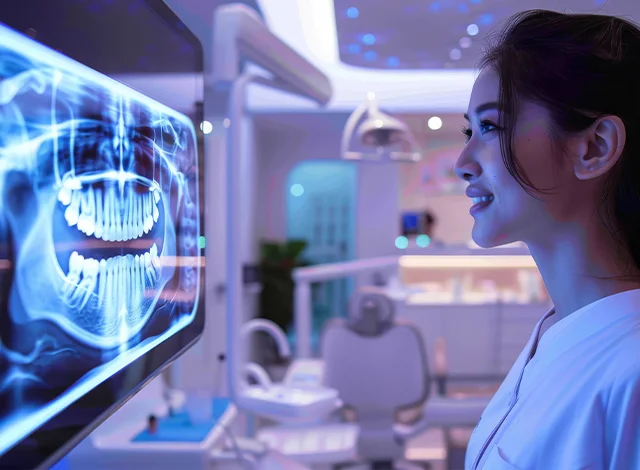
A CBCT scan (3D cone beam CT) is non-negotiable. It maps bone density, nerve locations, and sinus anatomy. Any clinic that skips this step is a red flag, wherever they are.
👨⚕️ Surgeon credentials
Implants should be placed by an oral surgeon, maxillofacial surgeon, or periodontist — not a general dentist without specialist training. Ask specifically.
🏥 Sterile environment
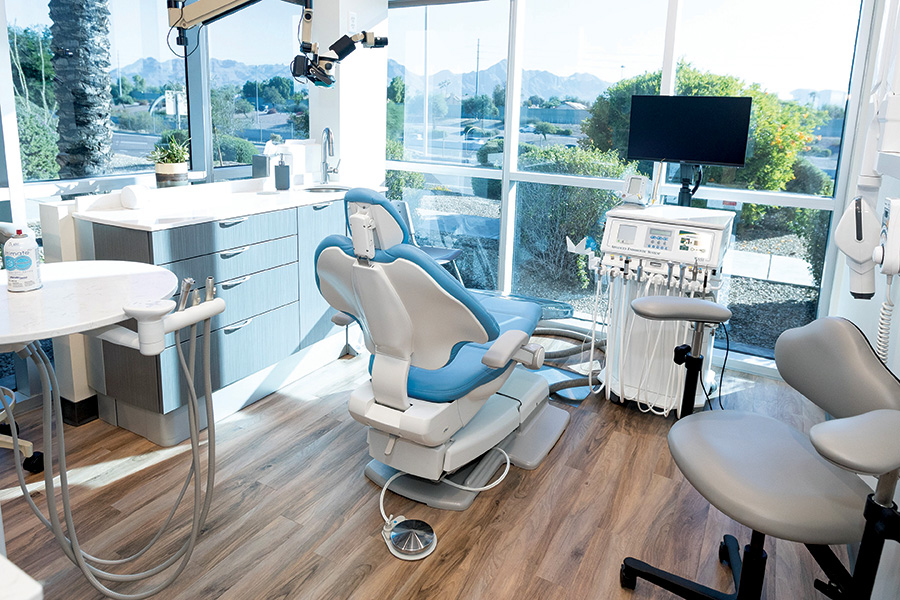
Modern implant clinics use single-use sterile kits, autoclave sterilization, and negative-pressure surgical rooms. Ask to see the facility before committing.
How Albania Specifically Compares on Safety
Albania joined the European common market framework and adopted EU medical device regulations (MDR 2017/745) as part of its EU accession process. This means:
- Implant brands sold in Albania must meet EU certification standards — the same CE marking required in Germany, France, and Italy
- Clinics serving international patients operate under competitive pressure to maintain international accreditation
- Albanian dentists trained in Italy, Germany, and Austria bring European clinical standards back to Tirana practices
- The cost of malpractice in reputation terms is enormous — dental tourism clinics live or die by reviews and referrals
What Are the Actual Risks — and How Are They Managed?
| Risk | Likelihood | How Top Clinics Manage It |
|---|---|---|
| Implant failure (osseointegration) | 3–5% lifetime | Same rate globally; reputable clinics replace failed implants at no charge |
| Infection post-surgery | <1% with proper protocol | Antibiotics prescribed; sterile surgical environment |
| Nerve damage | Rare; <0.5% | CBCT scan maps nerve location precisely before any drilling |
| Implant brand quality | Variable by clinic | Insist on Nobel Biocare or Straumann; get brand name in writing |
| Communication issues | Low in Albania | English widely spoken at international clinics; written treatment plans provided |
| Follow-up complications at home | Low with good protocol | Clinics provide aftercare instructions and 24/7 contact; local dentist can monitor |
The 7 Questions to Ask Any Abroad Clinic Before Booking
- What implant brand do you use? (Get the exact name — Nobel Biocare, Straumann, Osstem, BioHorizons are acceptable)
- Who performs the placement? (Should be an oral surgeon or periodontist, not a general dentist)
- Do you have an in-house CBCT scanner? (Yes only — don’t accept referrals to external imaging)
- What is your implant failure rate, and what’s your policy if one fails?
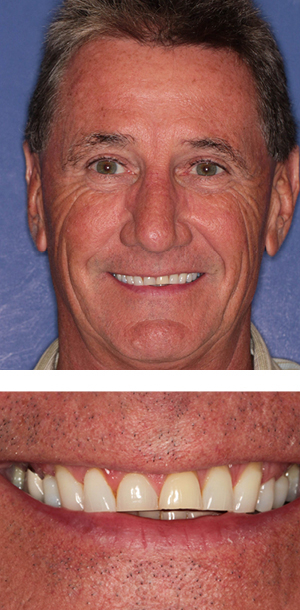
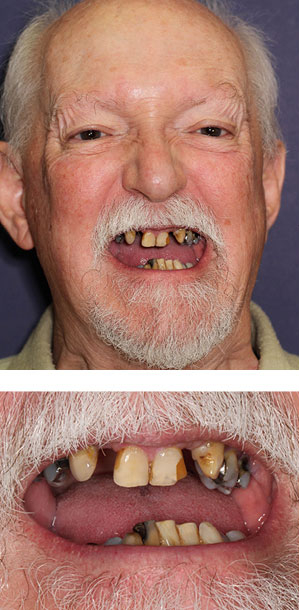
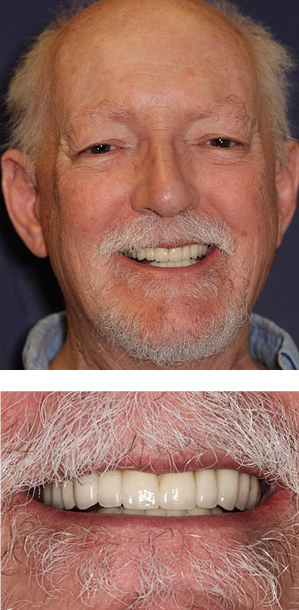
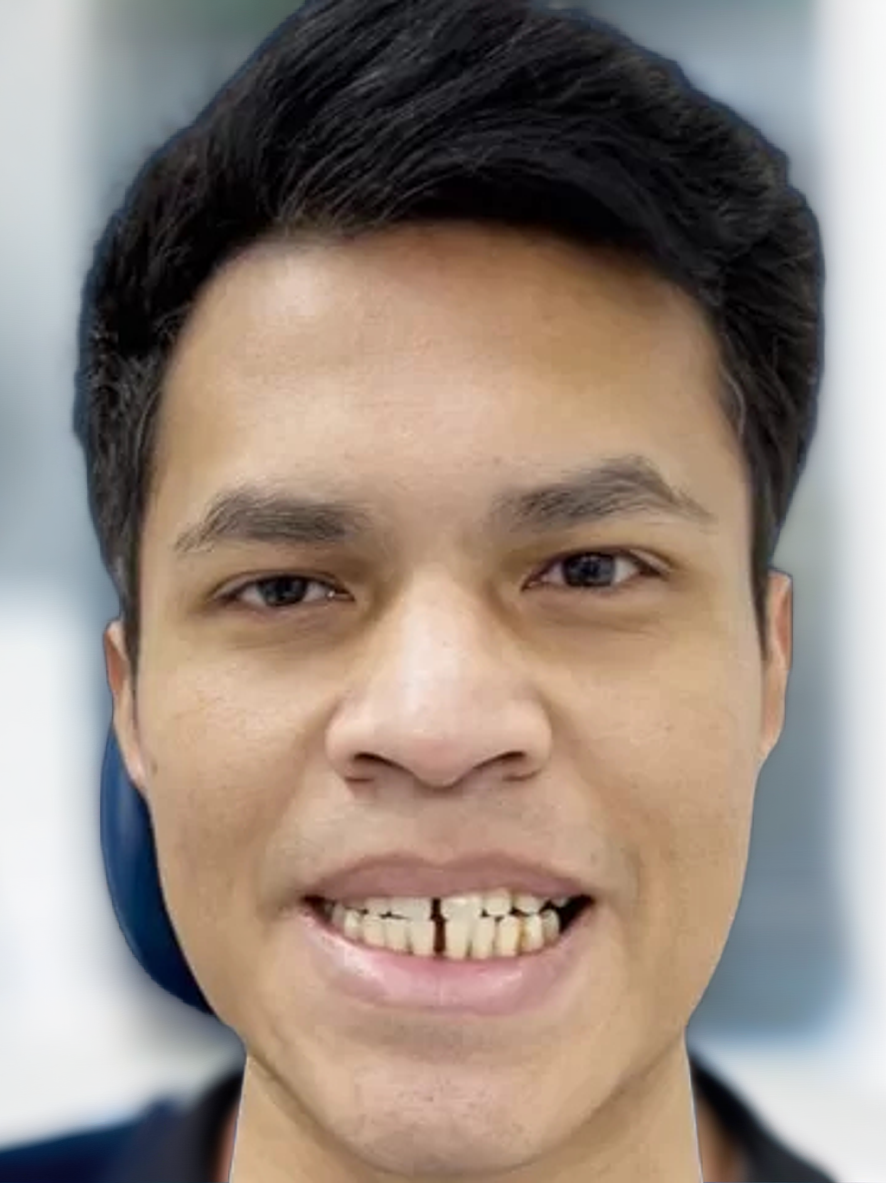
- Can I see before/after photos of cases similar to mine?
- What does aftercare look like if I’m back in the US?
- Can you provide a written treatment plan before I pay a deposit?
Real Patient Results from Tirana
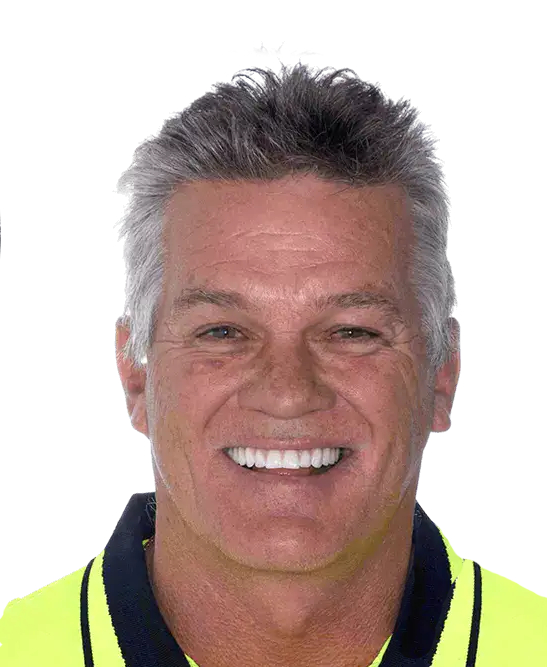
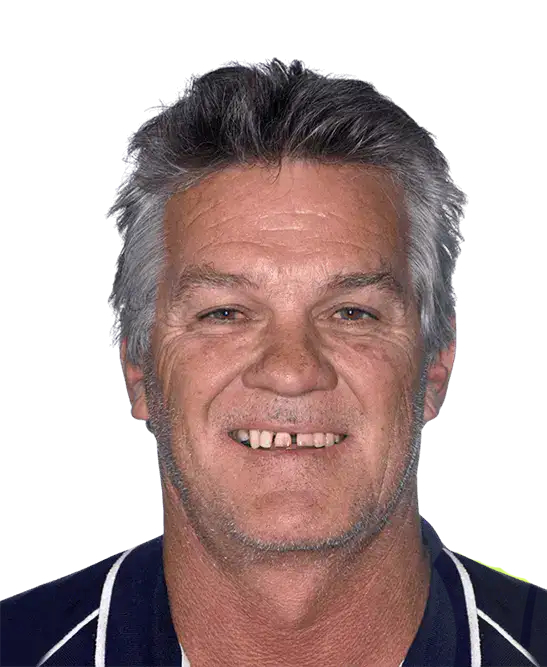
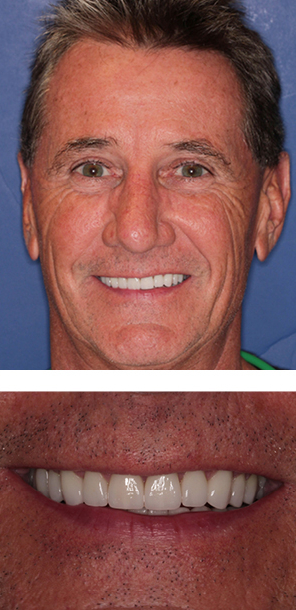
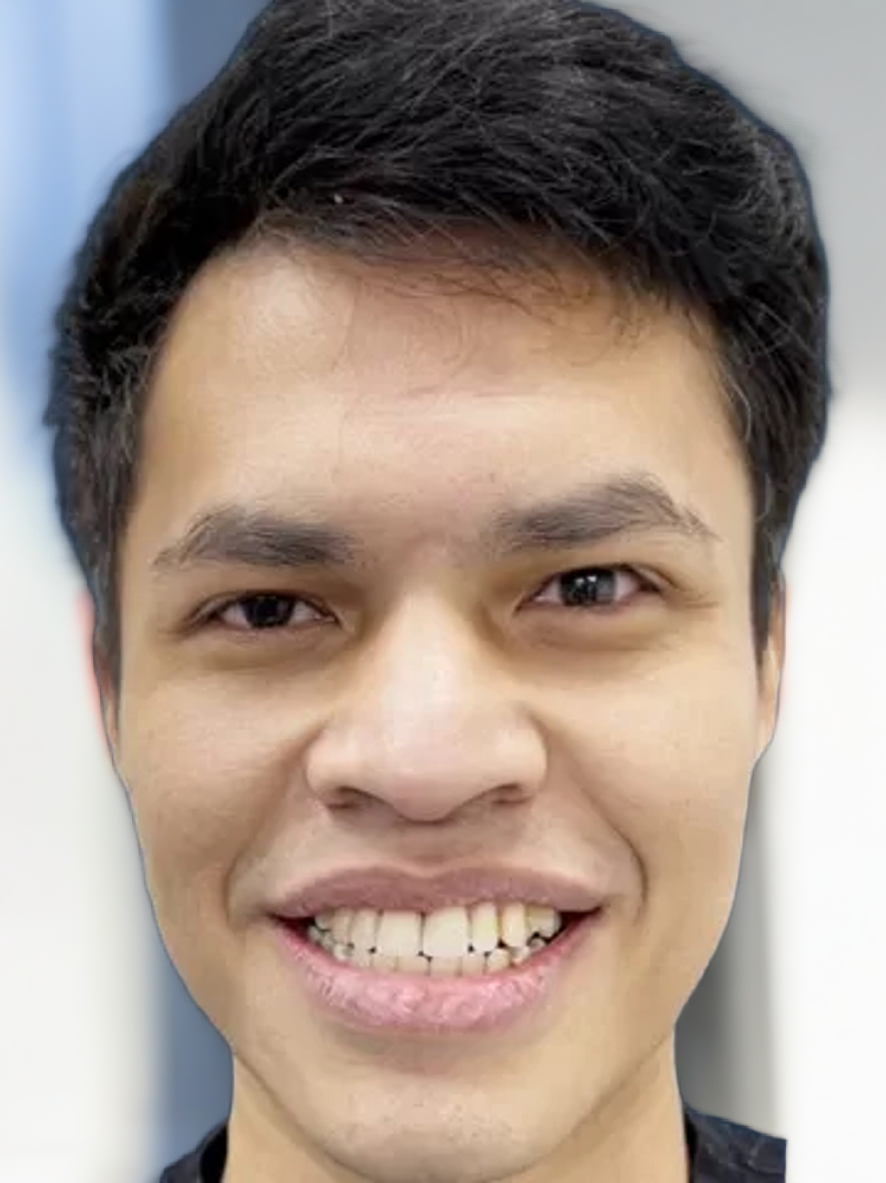
These patients came with the same question — “is this safe?” — and came back with results that speak for themselves.
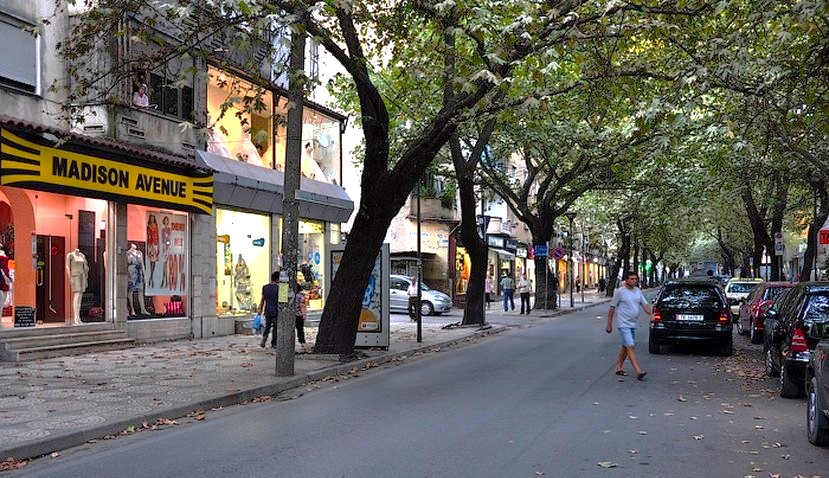
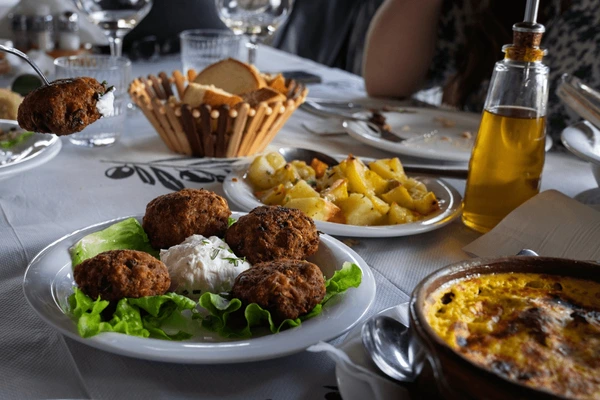
What Tirana Looks Like
The Bottom Line on Safety
Dental implants abroad are safe when you choose the right clinic. The risks are the same as at home — and managed the same way: with proper imaging, certified implant brands, credentialed surgeons, and sterile protocols.
The difference is that in Albania, that same standard of care costs 80–87% less. The question isn’t whether it’s safe. The question is whether you’ve done your homework on the clinic.
Want Help Finding a Vetted Clinic in Tirana?
AlbaMed Health pre-screens every partner clinic for credentials, implant brands, imaging equipment, and patient outcomes. No guesswork.